Why OTT Platforms Are Evolving Beyond Video
For more than a decade, the streaming industry has focused on delivering video content on demand. From subscription platforms to ad-supported services, OTT has grown by improving content discovery, streaming quality, and access across devices. But the landscape is evolving. Streaming platforms are moving beyond simple content libraries to become interactive digital ecosystems where video, creators, communities, commerce, and AI-driven personalization come together. In many ways, the future of streaming may resemble a media super-app rather than a traditional television service. For OTT platforms, success will no longer depend solely on content distribution but on creating engaging digital environments where audiences interact, discover, and return regularly. This shift toward multi-layered digital ecosystems is also influencing how OTT technology itself is built. Modern platforms must now support diverse content formats, flexible monetization models, and seamless cross-device deployment. Platforms like GIZMOTT are designed with this broader vision in mind, enabling media companies to launch and manage fully branded OTT environments that go beyond traditional streaming.The Convergence of Streaming, Social, and Short-Form Video
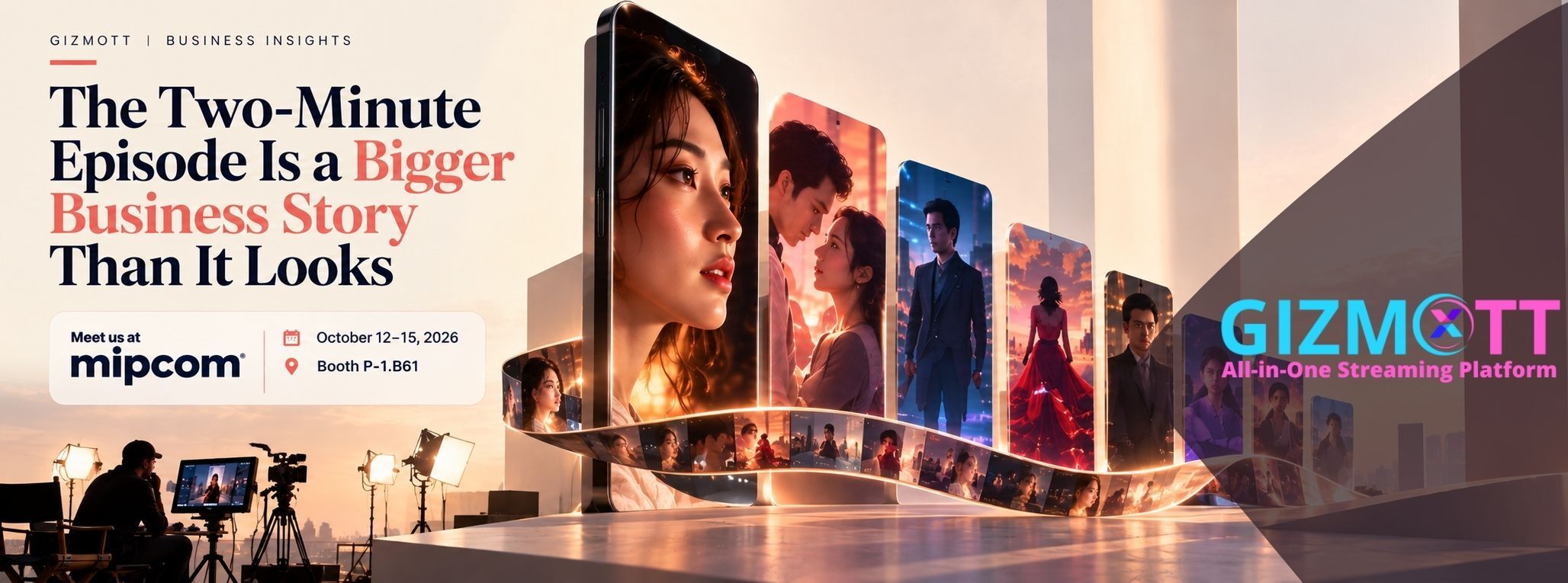
One of the most visible forces driving the super-app evolution of streaming is the growing influence of short-form and social video platforms. Over the past few years, platforms such as TikTok, Instagram Reels, and YouTube Shorts have fundamentally reshaped how audiences discover and engage with content. Viewers now expect immediacy, continuous discovery, and algorithm-driven feeds that surface content instantly. This behavioral shift has created a new competitive dynamic for OTT platforms. While traditional streaming services focus on curated catalogs and episodic storytelling, social platforms excel at continuous engagement and discovery. The result is an emerging hybrid model. Streaming platforms are beginning to experiment with:- Short-form content layers within OTT apps
- Vertical video experiences optimized for mobile viewing
- Algorithm-driven content feeds
- Creator-driven programming
- Community and interaction features
Why the Super-App Model Is Gaining Momentum
The idea of a “super-app” is not new. In many parts of Asia, digital ecosystems such as WeChat and Grab have demonstrated how combining multiple services into a single platform can dramatically increase user engagement and retention. Streaming platforms are now adopting similar thinking. Rather than focusing exclusively on content delivery, OTT services are beginning to integrate multiple layers of functionality that extend the user experience. These may include:1. Multi-Format Content Ecosystems
Modern OTT platforms are moving beyond a single format of video. Instead, they support a mix of:- Long-form films and series
- Live channels and FAST programming
- Short-form or vertical content
- Creator-driven programming
2. AI-Driven Personalization
Artificial intelligence is playing an increasingly important role in shaping how audiences experience streaming platforms. AI systems analyze viewer behavior to deliver:- personalized home screens
- dynamic content recommendations
- predictive programming suggestions
- real-time engagement insights
3. Community and Creator Integration
Another major shift involves the growing presence of creators within streaming platforms. Content creators are no longer confined to social media platforms alone. Many are exploring ways to distribute premium or exclusive programming through OTT platforms where they can maintain greater control over their audience relationships. This has led to a new category of platforms designed around creator-led streaming ecosystems. OTT technology providers are increasingly enabling creators and media networks to launch their own streaming platforms, giving them ownership of audience data and monetization strategies. GIZMOTT makes it possible for creators, networks, and media brands to build fully branded streaming apps across devices including smart TVs, mobile platforms, and web.4. Hybrid Monetization Models
The economics of streaming are also evolving rapidly. Subscription-only models are increasingly being supplemented—or replaced—by hybrid monetization approaches that combine multiple revenue streams. These include:- Subscription video on demand (SVOD)
- Advertising-supported video on demand (AVOD)
- FAST channels (Free Ad-Supported Streaming TV)
- Tokens
- Pay-per-view events
- transactional content purchases
The Mobile-First Imperative
Another key factor driving the super-app evolution of streaming is the global shift toward mobile-first consumption. In many emerging markets, smartphones are the primary and often only screen through which audiences access digital entertainment. This reality has significant implications for OTT platform design. Mobile-first streaming platforms increasingly incorporate:- vertical video formats
- rapid episode sequencing
- scrollable content discovery
- short-form storytelling
- simplified navigation interfaces
FAST Channels and the Return of Curated Viewing
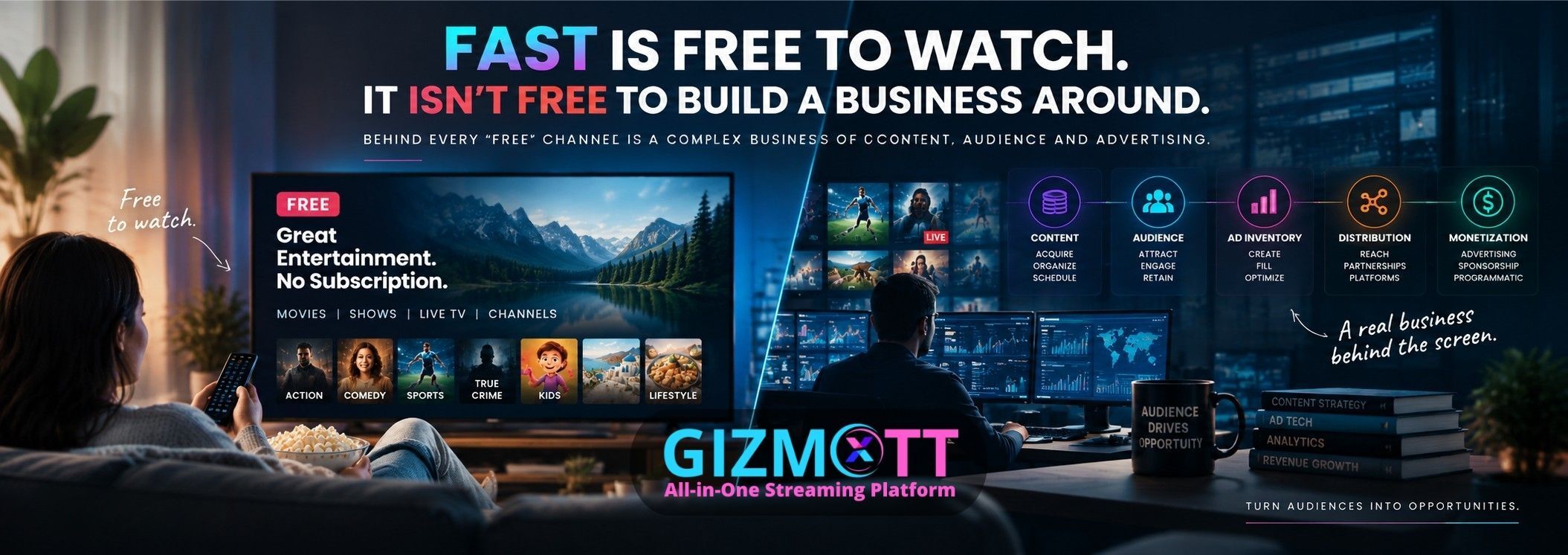
Interestingly, while many innovations in streaming focus on personalization and on-demand viewing, another major trend is the resurgence of curated linear experiences through FAST channels. FAST (Free Ad-Supported Streaming Television) channels provide scheduled programming streams that mimic traditional television while remaining entirely digital and ad-supported. This format has gained considerable traction for several reasons:- It offers lean-back viewing experiences similar to traditional TV
- It enables content libraries to generate new revenue streams
- It simplifies content discovery for viewers overwhelmed by large catalogs
Infrastructure: The Hidden Engine Behind Modern OTT Platforms
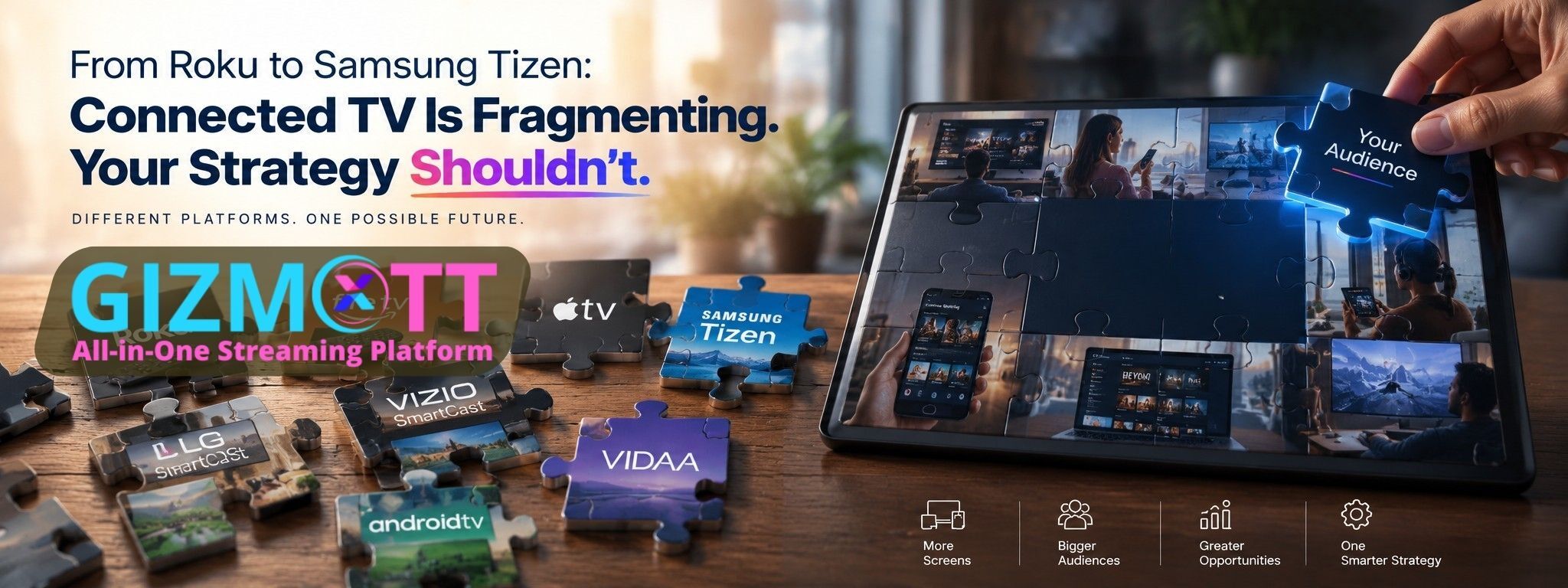
While the super-app model introduces exciting possibilities for streaming platforms, it also requires robust technological infrastructure. Supporting multiple content formats, monetization strategies, and device ecosystems demands a flexible and scalable platform architecture. Modern OTT infrastructure must be capable of handling:- multi-device deployment across mobile, TV, and web
- adaptive streaming for varying network conditions
- AI-driven recommendation systems
- dynamic advertising frameworks
- content analytics and audience insights
- seamless integration of FAST channels and on-demand libraries
The Streaming Platform of the Future
The next generation of OTT platforms will not simply be video players. They will function as dynamic digital ecosystems where entertainment, creators, communities, and commerce intersect. We can expect future platforms to include:- AI-driven content ecosystems
- integrated creator economies
- vertical and short-form storytelling layers
- hybrid monetization models
- interactive and community-driven features