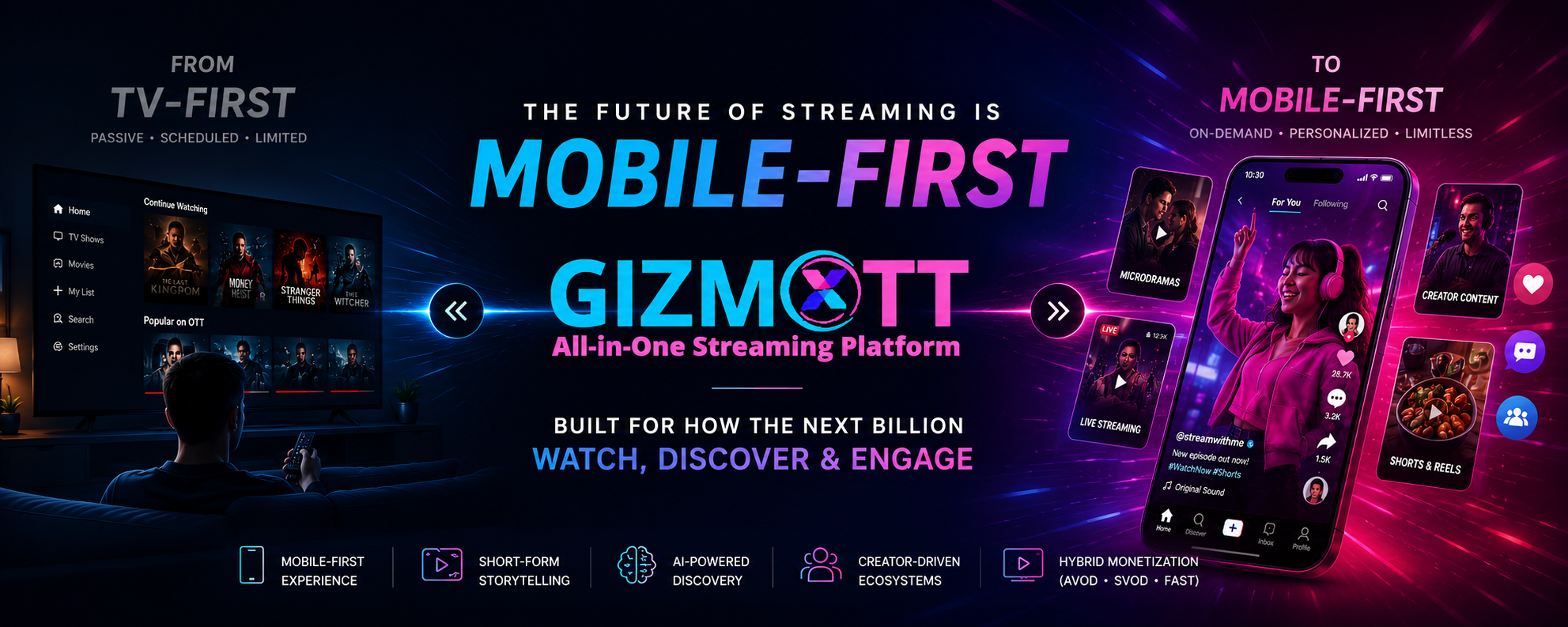

Why the future of OTT is starting to look more like TikTok than traditional streaming platforms
For years, the streaming industry has been built around one dominant assumption: the television screen would remain the center of the OTT experience.
From Netflix and Disney+ to Prime Video and Hulu, the modern streaming ecosystem was designed around long-form viewing, living room engagement, and traditional cinematic storytelling. The industry optimized itself for larger screens, binge-watch behavior, and premium subscription-driven consumption.
But quietly, a major shift has begun to reshape the future of streaming. The next generation of OTT growth is not being driven by the living room. It is being driven by the smartphone.
More specifically, by mobile-first users consuming vertical video, short-form storytelling, creator-led content, and algorithm-driven discovery experiences that look significantly different from traditional streaming platforms.
This is not simply a content trend.
It is a behavioral shift.
And increasingly, it is becoming clear that the next billion streaming users may not engage with OTT platforms the way previous generations did.
The Streaming Industry Is Entering a Mobile-First Era
One of the most important developments in the OTT industry is the changing relationship between audiences and screens.
For years, streaming platforms focused heavily on connected TV experiences. Smart TV applications, cinematic interfaces, and premium long-form content dominated platform strategies because they reflected how users traditionally consumed entertainment.
But user behavior today tells a different story.
Large portions of younger audiences now discover, consume, and engage with content primarily through mobile devices. Their expectations around speed, format, personalization, and interaction have been shaped less by traditional television and more by platforms like TikTok, Instagram Reels, YouTube Shorts, and creator-driven ecosystems.
This evolution is gradually changing what audiences expect from streaming itself.
The modern viewer increasingly prefers:
- instant discovery,
- personalized recommendations,
- short-form engagement,
- vertical viewing experiences,
- and highly interactive content environments.
As a result, OTT platforms are beginning to rethink the structure of streaming experiences altogether.
Why TikTok Changed More Than Social Media
Many streaming executives initially viewed TikTok as a social media phenomenon rather than a direct influence on OTT. But the platform fundamentally altered audience behavior in ways that now impact the entire streaming ecosystem.
TikTok normalized:
- vertical video consumption,
- algorithm-driven content discovery,
- short attention-cycle engagement,
- creator-led ecosystems,
- and endless personalized feeds.
Perhaps more importantly, it trained users to expect content to find them instantly.
This is one of the biggest behavioral changes affecting modern streaming.
Traditional OTT platforms were built around intentional browsing. Users searched for titles, explored categories, and committed to long-form viewing sessions.
Mobile-first platforms changed that dynamic entirely.
Discovery became passive, frictionless, and highly personalized.
The result is that modern audiences increasingly value:
- speed over search,
- engagement over libraries,
- personalization over navigation,
- and relevance over volume.
This shift is now influencing the future direction of OTT platforms globally.
The Rise of Vertical Video and Mobile-First Storytelling
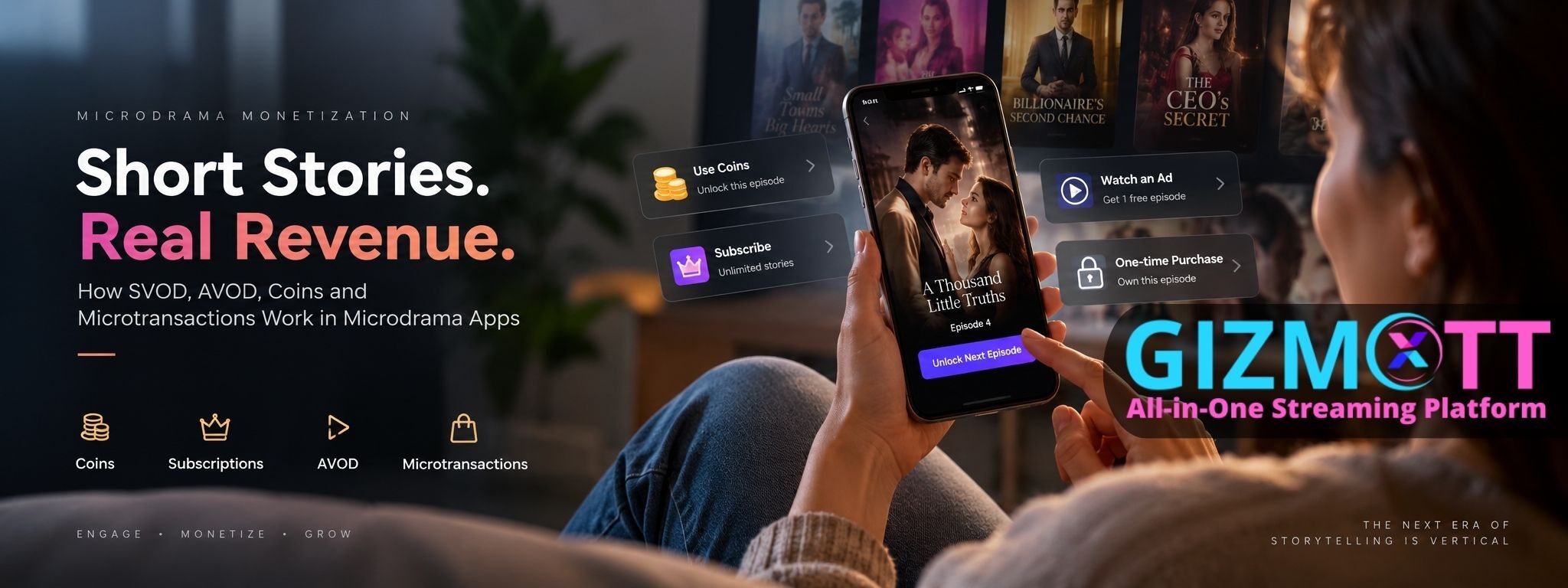
One of the clearest indicators of this transformation is the explosive growth of vertical video and microdrama content formats.
Short-form storytelling, once considered secondary entertainment, is rapidly becoming a major content category in its own right. In several markets, mobile-first streaming platforms built around vertical video are seeing significant engagement growth, particularly among younger demographics.
This trend reflects a larger reality:
the smartphone is no longer just a secondary viewing device.
For many users, it is becoming the primary entertainment screen.
Vertical video succeeds because it aligns naturally with how mobile users interact with content. It removes friction, feels more immersive in handheld environments, and matches the consumption habits audiences have already developed through social platforms.
More importantly, it changes the pacing and structure of storytelling itself.
Mobile-first audiences often prefer:
- faster narrative hooks,
- shorter episodic structures,
- continuous content feeds,
- and emotionally engaging storytelling optimized for quick consumption cycles.
This represents a major shift from traditional OTT assumptions.
Why the Next Billion Streaming Users May Not Behave Like Traditional OTT Audiences
The next wave of streaming growth is expected to come largely from mobile-first audiences, and their viewing habits are very different from traditional OTT users. Unlike earlier streaming audiences that were accustomed to long-form viewing on television screens, newer users are entering the ecosystem through smartphones and social platforms.
Their expectations are shaped by platforms like TikTok, Instagram Reels, and YouTube Shorts, where content is:
- instantly discoverable,
- highly personalized,
- mobile-native,
- and optimized for shorter engagement cycles.
As a result, modern audiences increasingly prefer fast content discovery, vertical video formats, and algorithm-driven recommendations rather than browsing large content libraries manually.
This shift is also influencing monetization trends. Many mobile-first users are more responsive to flexible viewing models such as AVOD, FAST channels, and freemium access instead of subscription-only platforms.
For OTT businesses, this signals a major industry transition. The future of streaming may rely less on traditional TV-first experiences and more on mobile-first engagement, AI-powered discovery, and personalized content ecosystems.
OTT Platforms Are Becoming Engagement Ecosystems
Another major transformation happening within streaming is the shift from passive viewing platforms to engagement-driven ecosystems.
Traditional OTT services focused heavily on content delivery.
Modern platforms increasingly focus on:
- user retention,
- interaction,
- community engagement,
- and behavioral intelligence.
This is where streaming begins to overlap with social platform dynamics.
Users today expect:
- personalized feeds,
- interactive recommendations,
- creator connections,
- community-driven engagement,
- and seamless content discovery experiences.
As a result, the line between streaming platforms and social platforms is becoming increasingly blurred.
This does not mean OTT platforms are abandoning long-form content.
Rather, it means the surrounding ecosystem is evolving.
The future of streaming is likely to combine:
- traditional premium content,
- creator-driven engagement,
- short-form discovery layers,
- vertical storytelling,
- and AI-powered personalization systems within the same platform environment.
AI and Discovery Will Define the Future of OTT
As content libraries continue expanding across the streaming industry, discovery is becoming one of the most important competitive challenges in OTT.
The modern user does not want to spend excessive time browsing through endless categories.
They expect platforms to understand their preferences instantly.
This is why AI-powered discovery systems are becoming foundational to streaming growth.
Modern OTT platforms increasingly rely on:
- recommendation engines,
- behavioral analytics,
- audience segmentation,
- predictive personalization,
- and real-time engagement intelligence.
These systems directly influence:
- watch time,
- retention,
- monetization,
- and overall user satisfaction.
In many ways, the future of streaming may depend less on who has the largest content library and more on who delivers the most intelligent discovery experience.
This is another area where mobile-first platforms have changed audience expectations significantly.
Users now expect immediacy.
And increasingly, streaming platforms must adapt accordingly.
Why Hybrid Monetization Will Become Increasingly Important
The rise of mobile-first streaming users is also accelerating the need for more flexible monetization models.
Subscription-only ecosystems may struggle to capture large mobile-first audiences, particularly in emerging markets where accessibility and affordability play a major role in user adoption.
As a result, the OTT industry is increasingly moving toward hybrid monetization strategies that combine:
- AVOD,
- SVOD,
- FAST channels,
- freemium access,
- and creator monetization systems.
Mobile-first audiences are often highly engagement-driven but may not immediately convert into premium subscribers. Platforms therefore need monetization models capable of supporting both scale and flexibility.
This is one of the reasons FAST channels and ad-supported streaming are growing rapidly across the industry.
The future of OTT monetization will likely be built around adaptability rather than rigid subscription structures alone.
What This Means for Streaming Platforms and Media Companies
For OTT platforms, broadcasters, creators, and media companies, this industry shift carries significant implications.
Streaming businesses can no longer think exclusively in terms of:
- television-first experiences,
- long-form consumption,
- or static content libraries.
The industry is evolving toward:
- mobile-first ecosystems,
- personalized discovery,
- creator-driven engagement,
- and highly adaptive platform experiences.
This does not mean traditional OTT will disappear.
Large-screen streaming and premium cinematic content will continue to play an important role.
But the next phase of streaming growth may come from platforms capable of balancing both worlds:
- traditional OTT infrastructure,
- and mobile-native engagement models.
The companies that adapt early will likely be best positioned for the future of streaming.
Why This Shift Aligns Closely With GIZMOTT’s Vision
At GIZMOTT, we see the streaming industry evolving far beyond traditional OTT delivery models.
Modern platforms increasingly require:
- support for vertical video,
- mobile-first experiences,
- AI-powered discovery,
- hybrid monetization,
- FAST channels,
- creator-led ecosystems,
- and multi-device scalability.
This is why the future of OTT cannot simply be about launching streaming apps.
It must be about building flexible streaming ecosystems capable of adapting to rapidly changing audience behavior.
As the industry moves toward mobile-first consumption and engagement-driven experiences, platforms that embrace flexibility, personalization, and scalable infrastructure will be significantly better positioned for long-term growth.
The Future of Streaming Will Be Mobile, Personalized, and Engagement-Driven
The OTT industry is entering a new era.
The first phase of streaming focused on replacing traditional television.
The next phase will focus on redefining how audiences discover, engage with, and experience content altogether.
And increasingly, that future looks:
- vertical,
- mobile-first,
- AI-driven,
- creator-powered,
- and deeply personalized.
The next billion streaming users may never experience OTT the way previous generations did.
And the platforms that understand this shift early will help shape the future of streaming itself.