
Why the future of streaming may depend less on browsing and more on intelligent recommendation systems
For years, the streaming industry focused heavily on scale. Platforms competed to build larger content libraries, acquire exclusive rights, expand globally, and increase subscriber numbers. The assumption was simple: more content would naturally lead to more engagement. But the OTT industry is beginning to face a different problem now — audiences are overwhelmed. Modern streaming platforms contain thousands of movies, series, live events, documentaries, and creator-led content experiences spread across multiple genres and formats. Ironically, the abundance of content has made discovery increasingly difficult. Users today often spend more time searching for something to watch than actually watching. This challenge is quietly becoming one of the most important issues in the streaming industry, and it is forcing platforms to rethink how audiences interact with OTT ecosystems altogether. Increasingly, the future of streaming may not revolve around search and browsing at all. It may revolve around AI.The Streaming Industry Has a Discovery Problem
Traditional OTT platforms were built around library-style discovery models. Users would open an app, browse categories, scroll through rows of thumbnails, search for titles manually, and eventually select content to watch. This model worked well when streaming libraries were relatively small and content ecosystems were less fragmented. That environment no longer exists. Today’s streaming audiences navigate:- multiple subscription platforms,
- FAST channels,
- creator-driven ecosystems,
- live streaming environments,
- short-form video feeds,
- and increasingly personalized entertainment experiences.
AI Is Changing How Audiences Discover Content
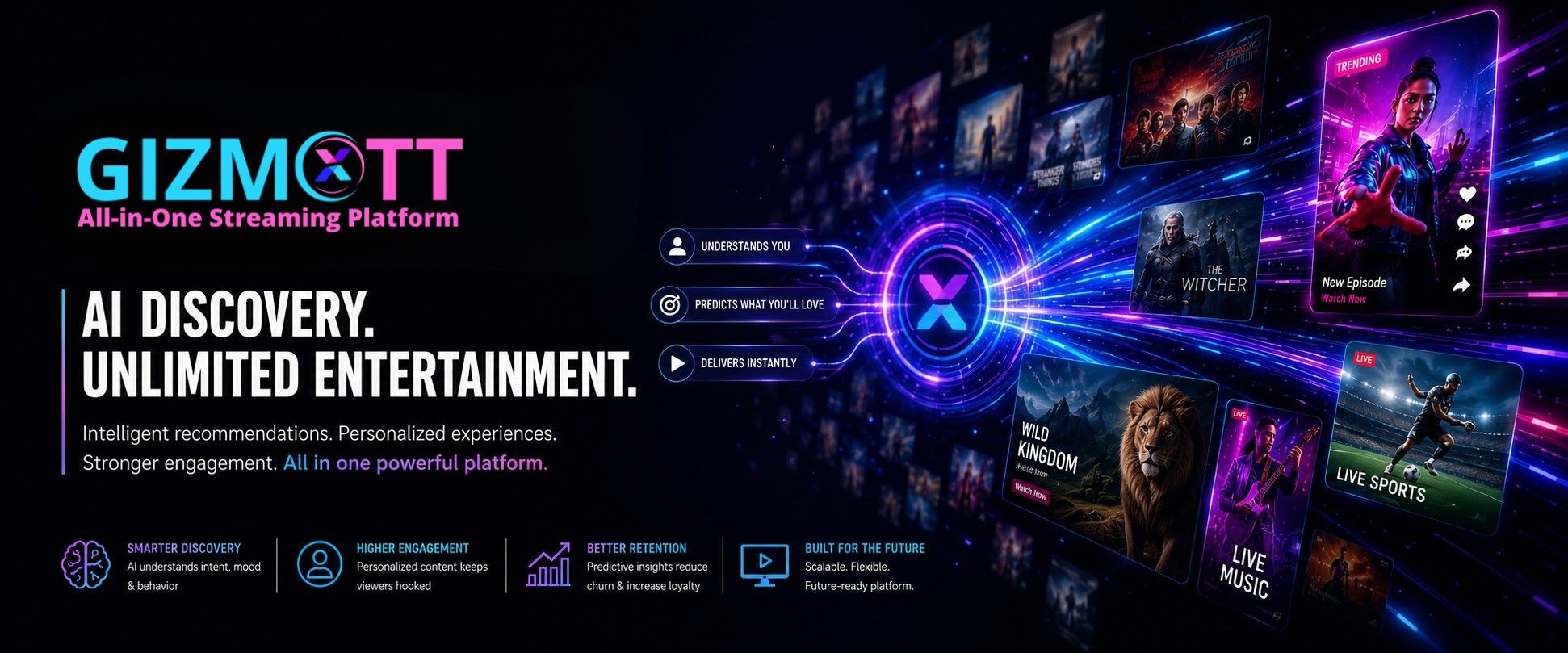
One of the clearest signals of this shift is the growing investment major streaming companies are making in AI-driven recommendation and discovery systems. Netflix has already been experimenting with conversational AI search and more responsive recommendation experiences. Instead of relying entirely on traditional search bars and genre navigation, platforms are moving toward systems capable of understanding user intent more naturally. Rather than typing: “action movie” users may increasingly search in conversational ways such as: “I want something fast-paced but not too serious.” This represents a major evolution in streaming behavior. AI-driven discovery systems are designed to interpret viewing patterns, engagement history, mood preferences, watch-time behavior, and interaction signals to surface highly personalized recommendations in real time. The objective is no longer simply helping users search for content. The objective is to reduce friction altogether. Streaming platforms increasingly want content to find users before users actively search for it.Gen Alpha and Mobile-First Audiences Are Accelerating This Shift
One of the biggest reasons AI-powered discovery is evolving so quickly is because younger audiences consume content very differently from previous generations. Gen Alpha and younger mobile-first audiences have largely grown up in algorithm-driven environments shaped by TikTok, Instagram Reels, YouTube Shorts, and AI-curated social feeds. These platforms fundamentally changed audience expectations. Users are now accustomed to:- instant personalization,
- frictionless discovery,
- continuous recommendation loops,
- and highly responsive content feeds.
- vertical discovery feeds,
- AI-powered recommendation layers,
- responsive homepages,
- and engagement-driven UX models inspired by social platforms.
OTT Platforms Are Quietly Becoming AI Systems
One of the most interesting aspects of this transformation is that streaming companies are gradually becoming data and intelligence companies as much as entertainment companies. AI now influences nearly every layer of modern OTT ecosystems. Recommendation engines analyze behavioral signals continuously. Engagement systems predict which content viewers are most likely to watch next. Analytics platforms monitor drop-off patterns, viewing habits, retention cycles, and interaction trends in real time. Even visual presentation is increasingly AI-optimized. Many streaming platforms dynamically personalize:- thumbnails,
- recommendations,
- homepage layouts,
- content sequencing,
- and promotional strategies
Why AI Discovery Matters More Than Ever
As the OTT industry becomes more crowded, audience retention is becoming one of the biggest business challenges platforms face. Acquiring users is expensive. Retaining them is even harder. This is where AI-driven discovery becomes strategically important. When recommendation systems work effectively:- watch time increases,
- user satisfaction improves,
- churn decreases,
- and engagement becomes more consistent.
The Rise of AI Search Could Reshape OTT UX Completely
One of the most fascinating developments currently happening in streaming is the evolution of AI-powered search itself. Traditional search systems require users to know what they are looking for. AI discovery systems work differently. They attempt to understand intent, mood, context, and behavioral preference. This could fundamentally reshape streaming UX over the next few years. Instead of browsing through endless categories, future OTT interfaces may become increasingly conversational and predictive. Users may simply describe:- how they feel,
- what type of experience they want,
- or how much time they have available,
AI Is Also Influencing Monetization
The impact of AI extends beyond discovery and recommendations. Streaming platforms are increasingly using AI and behavioral analytics to optimize monetization strategies as well. AI systems can help platforms:- predict churn,
- personalize promotions,
- improve ad targeting,
- optimize FAST channel engagement,
- and identify high-value audience segments.
Why This Matters for the Future of OTT Infrastructure
The rise of AI discovery is also changing how streaming infrastructure itself is built. Modern OTT platforms increasingly require:- advanced analytics systems,
- recommendation engines,
- scalable behavioral data processing,
- AI-powered engagement tools,
- and intelligent personalization frameworks.
- scalable content delivery,
- intelligent discovery,
- audience analytics,
- and personalized engagement systems