
The Final Whistle No Longer Ends the Conversation
For generations, the rhythm of sports was remarkably predictable. Fans bought tickets, tuned in for the match, celebrated victories or analyzed defeats, and then waited patiently for the next fixture. Television broadcasters dictated when audiences could watch, newspapers filled the days between games, and supporters had limited opportunities to interact with their favorite teams outside the stadium. That model defined sports for decades. Today, it no longer reflects how fans experience the games they love. A football supporter doesn’t stop following their club after ninety minutes. A basketball fan isn’t only interested in game-day highlights. A cricket enthusiast doesn’t disappear during the off-season. Instead, fans consume a constant stream of content throughout the week—training sessions, player interviews, tactical analysis, transfer news, academy updates, podcasts, short-form videos, and behind-the-scenes stories that offer a closer look at the personalities behind the competition. In many ways, sports have evolved from scheduled events into continuous digital experiences. The match remains the centerpiece, but it is no longer the entire story. For sports organizations, leagues, federations, universities, and independent clubs, this shift represents one of the biggest opportunities in modern sports media. Success is no longer measured solely by attendance figures or broadcast ratings. Increasingly, it depends on how effectively an organization keeps its audience engaged before the match begins and long after it ends. The future of sports isn’t about filling stadiums for ninety minutes. It’s about building communities that never log off.Fans Don’t Follow Teams Once a Week Anymore
Think about the habits of a modern sports fan. Long before kickoff, they are checking team announcements on social media, listening to player interviews during their commute, debating tactics in online communities, or watching training clips released by the club. During the match, many are simultaneously engaging with live statistics, fantasy sports, social conversations, and alternate commentary streams. After the game, they immediately consume highlights, press conferences, post-match analysis, and fan reactions. By the following morning, discussions have already shifted toward injuries, transfer rumors, upcoming fixtures, or youth academy performances. The fan journey has expanded far beyond match day. This transformation has been driven by two significant changes. The first is technology. Smartphones, streaming platforms, and high-speed internet have made sports content available anytime and anywhere. Fans no longer depend on television schedules or newspaper reports to stay informed. Every update reaches them almost instantly. The second is expectation. Modern audiences don’t simply want to watch sports—they want to experience them. They expect exclusive access, personalized content, direct interaction, and continuous engagement. For younger audiences in particular, following a sports team feels less like consuming a broadcast and more like participating in an ongoing digital community. This evolution has fundamentally changed what sports organizations need to deliver. Winning matches still matters. But winning attention between matches has become equally important.Community Is Becoming the Most Valuable Asset in Sports
Every sports organization has something incredibly valuable. Not just athletes. Not just trophies. Not even media rights. It has a community. Communities are what transform casual viewers into lifelong supporters. They create emotional connections that extend beyond individual players, seasons, or competitions. Fans don’t return year after year simply because of results—they return because they feel they belong. Historically, stadiums served as the physical home of these communities. Today, that home has become digital. A supporter in London can celebrate a goal with another fan in Mumbai within seconds. A youth player in Brazil can watch exclusive training sessions from a European club. Alumni of a university sports program can continue following their teams long after graduation through mobile apps and streaming platforms. Distance is no longer a barrier to belonging. This is why the conversation around sports media has shifted from broadcasting to community building. A broadcast reaches an audience. A community creates participation. The difference is significant. Broadcasting focuses on delivering content. Communities encourage conversations. Broadcasting ends when the stream finishes. Communities continue long after the cameras stop rolling. Organizations that understand this distinction are discovering that engagement doesn’t have to depend solely on match schedules. Instead, every day becomes an opportunity to strengthen relationships with supporters through meaningful interactions and consistent storytelling.Beyond Live Streaming: The Rise of Everyday Sports Content
One of the biggest misconceptions surrounding sports streaming is that it revolves entirely around live matches. While live events remain the primary attraction, they represent only a fraction of the content opportunities available to sports organizations. Consider how much happens between fixtures:- Players train almost every day.
- Coaches conduct tactical sessions.
- Academies develop future talent.
- Medical teams oversee rehabilitation.
- Community outreach programs engage local supporters.
- Women’s teams, youth squads, and development leagues compete throughout the season.
- Sponsors activate campaigns.
- Behind-the-scenes training sessions and practice footage.
- Player interviews, podcasts, and exclusive conversations.
- Academy matches and youth development stories.
- Women’s competitions and community initiatives.
- Match highlights, tactical analysis, and documentary-style features.
- Historical moments, club archives, and fan-generated content.
Why Smaller Sports Are Finally Finding Their Audience
Perhaps the most exciting consequence of this digital transformation is that it is no longer reserved for the world’s biggest leagues. For decades, television economics favored only a handful of sports capable of attracting massive audiences. Smaller leagues, regional competitions, amateur clubs, and emerging disciplines struggled to secure airtime because broadcasters had limited schedules and prioritized content with the highest commercial returns. Digital streaming has fundamentally changed those economics. Today, every sport has the opportunity to build its own dedicated audience. Whether it’s pickleball, padel, rowing, university athletics, martial arts, local football leagues, women’s competitions, or youth tournaments, organizations no longer need nationwide television contracts to reach passionate supporters. Instead of competing for a place on someone else’s broadcast schedule, they can build direct relationships with their own communities. This is particularly important because niche sports often have something major leagues envy: highly engaged audiences. Their communities may be smaller, but they are frequently more passionate, more loyal, and more willing to participate throughout the year. For these organizations, success isn’t measured by millions of viewers. It’s measured by meaningful engagement. And in today’s digital landscape, meaningful engagement often creates stronger long-term value than sheer audience size. The rise of direct-to-fan platforms has made this possible, giving sports organizations of every size the ability to publish content, stream events, grow memberships, and strengthen relationships without relying entirely on traditional broadcasters. The playing field has become far more level than it has ever been before.Building the Digital Stadium
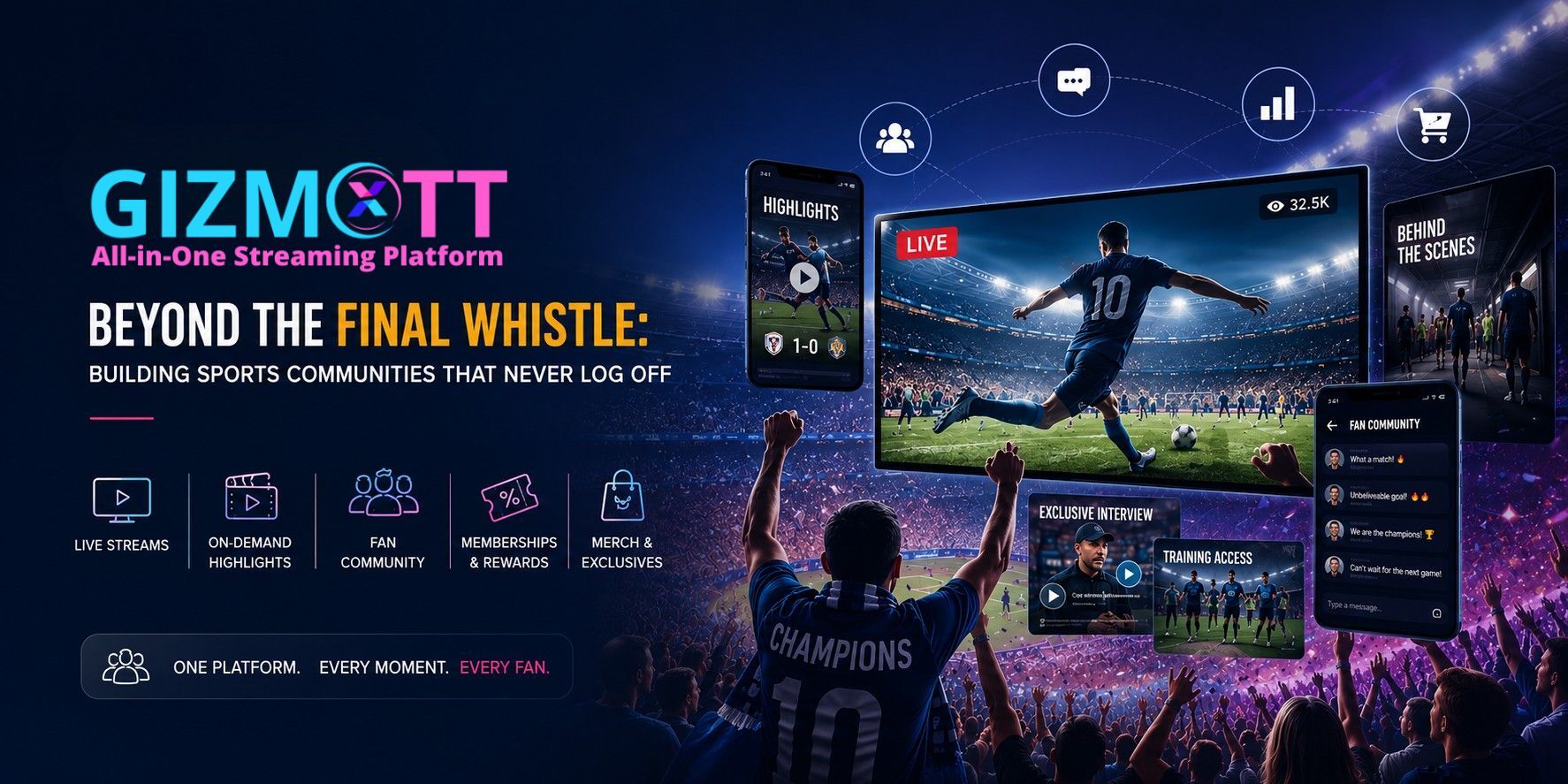
For decades, a stadium represented far more than a venue. It was where supporters celebrated victories together, shared disappointments, built traditions, and created memories that lasted a lifetime. It gave fans a sense of belonging that extended well beyond the game itself. Today, that same sense of belonging is increasingly being recreated in digital spaces. The modern sports fan doesn’t stop interacting with their favorite team after leaving the stadium. They continue the conversation through mobile apps, streaming platforms, online communities, social channels, and exclusive digital experiences. The stadium no longer has physical boundaries—it exists wherever fans choose to engage. This concept of a digital stadium is transforming how sports organizations think about fan relationships. Instead of focusing solely on attracting audiences during live events, clubs are building environments where supporters can interact with content and each other every day of the year. A digital stadium isn’t defined by one feature or one platform. Rather, it brings together multiple experiences into a single ecosystem where fans can:- Watch live matches and on-demand content.
- Follow exclusive behind-the-scenes stories.
- Access interviews, documentaries, and podcasts.
- Join member-only communities.
- Participate in live chats and fan discussions.
- Purchase merchandise and memberships.
- Receive personalized updates based on their interests.
From Broadcasting to Belonging
One of the most significant shifts taking place across the sports industry is philosophical rather than technological. Historically, broadcasters focused on delivering content to audiences. Modern sports organizations are increasingly focused on creating relationships. The difference may seem subtle, but its impact is profound. Broadcasting asks: “How many people watched?” Community asks: “How many people came back?” That distinction changes how organizations measure success. Instead of evaluating only television ratings or livestream attendance, clubs now examine engagement across multiple touchpoints. They want to understand which stories resonate with supporters, which content encourages repeat visits, and what keeps fans connected during the off-season. This shift has also changed the role of content itself. A post-match interview is no longer just a recap. A training video is no longer just practice footage. A youth academy documentary is no longer simply informational. Every piece of content becomes another opportunity to strengthen the emotional connection between supporters and the organization. The strongest sports communities are rarely built through one spectacular event. They are built through hundreds of consistent interactions over time.Why First-Party Fan Relationships Matter
For years, social media became the primary channel through which sports organizations reached their audiences. These platforms undoubtedly expanded global visibility and made it easier to connect with millions of supporters. However, they also introduced an important challenge. When fan relationships exist entirely on third-party platforms, organizations have very little control over how those relationships evolve.- Algorithms change.
- Organic reach fluctuates.
- Platform policies shift.
- Audience data remains limited.
Technology Is Enabling a New Era of Fan Engagement
Behind every successful digital sports experience lies a sophisticated technology ecosystem. Fortunately, fans rarely think about the technology itself. They simply expect everything to work –- live streams to begin instantly.
- highlights to be available minutes after the final whistle.
- videos to continue seamlessly across devices.
- personalized recommendations that reflect their interests.
The Future Belongs to Communities, Not Broadcasts
As digital media continues to evolve, the sports organizations that thrive will be those that think beyond individual events. The most successful clubs and leagues will not necessarily be those with the largest stadiums or the biggest television contracts. They will be the organizations that consistently remain part of their fans’ everyday lives. That requires a shift in mindset. Instead of asking: “How do we promote our next match?” Organizations increasingly need to ask: “How do we create value for our supporters every single day?” The answer rarely lies in producing more content. It lies in producing the right content. Stories that inspire.- Conversations that include supporters.
- Experiences that make fans feel connected regardless of where they live.
- Communities that continue growing long after the final whistle.
- Professional clubs can strengthen global fan engagement.
- Regional leagues can connect with local communities.
- Universities can keep alumni involved with athletics.