
The Real Value of Industry Events Happens Beyond the Exhibition Floor
Trade shows are often measured by the visible things: booth traffic, meetings, demonstrations, and the number of people who stop to talk. These are useful indicators, but they do not tell the whole story. The more meaningful value lies in what happens when people from different parts of the industry come together. A content owner may be thinking about how to reach a new market. A producer may be exploring ways to build a business around an existing library. A creator may have an engaged audience but no direct relationship with it beyond social media. A media company may be looking for new revenue streams without taking on the cost and complexity of developing its own technology from scratch. These businesses may have different starting points, but they share a common challenge: turning an opportunity into a viable, scalable operation. That is why conversations matter. They reveal the practical questions behind ambitious ideas, from distribution and audience engagement to monetization, operational efficiency, and long-term growth. At CABSAT and MIPCOM, the opportunity to connect with people across the media ecosystem was a reminder that innovation rarely happens in isolation. Partnerships between content owners, technology providers, distributors, creators, and commercial partners can help businesses move from an initial idea toward something that can operate in the real world. Not every conversation becomes an immediate opportunity. Some lead to new perspectives; others develop into relationships that take time to mature. The important part is creating the conditions for those possibilities to emerge—and following through after the event ends. In a business that changes as quickly as streaming, those connections can be just as valuable as the technology on display.Microdrama Is More Than a New Way to Tell Stories
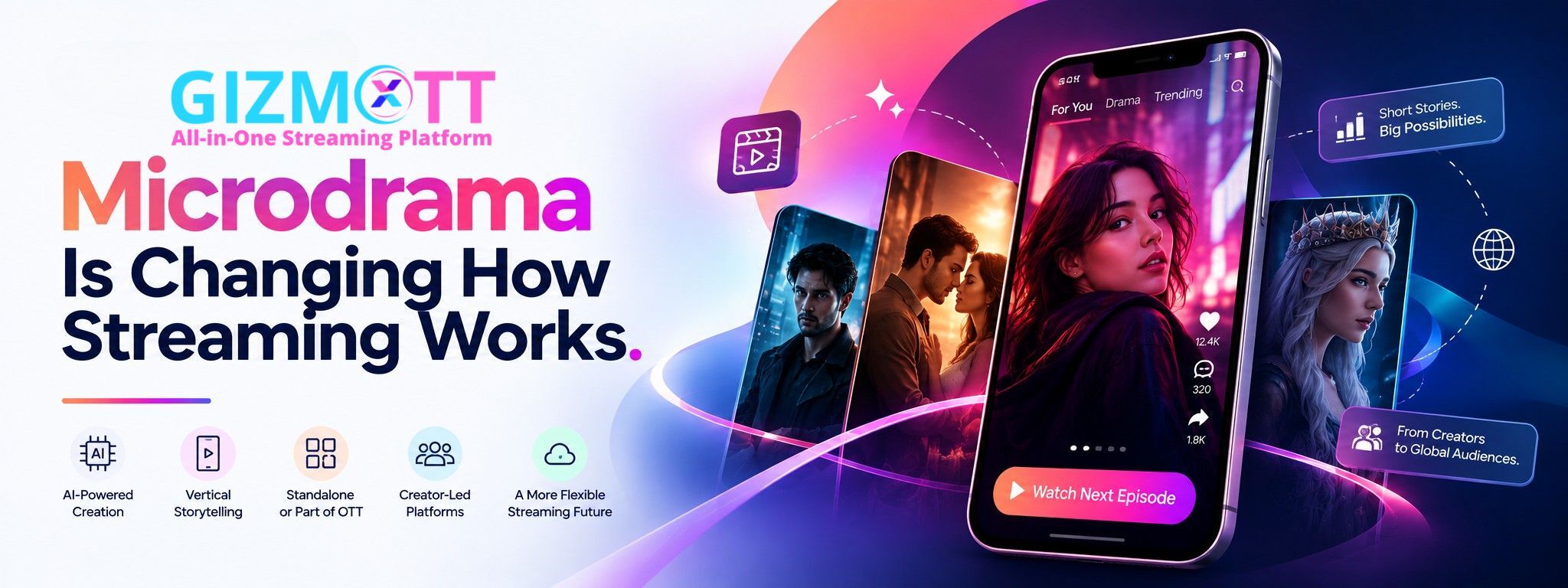
One of the most interesting developments across the streaming landscape is the growing attention being paid to microdrama and vertical video. The format is straightforward: short, mobile-first episodes designed to deliver a story in a compact, engaging viewing experience. Episodes often end with a cliffhanger, encouraging viewers to continue watching. The structure fits naturally into mobile behavior, where audiences increasingly consume content in shorter sessions throughout the day. But the business opportunity extends beyond episode length or screen orientation. CABSAT included a Micro Short Drama Clinic in its 2026 program, while MIPCOM announced a dedicated Microdrama and Vertical Content program, including sessions focused on the emerging distribution market for vertical content. These developments demonstrate that microdrama is receiving attention not only as a creative format, but also as a developing commercial category. For businesses exploring this space, the questions quickly move beyond production. How will viewers discover a series? Where will the content live? How will episodes be organized and delivered? What will encourage viewers to return? Will revenue come from advertising, subscriptions, individual episode unlocks, virtual coins, or a combination of models? The answers will vary by audience, market, content type, and business strategy. There is no single monetization formula that works for every vertical drama app. What matters is designing the viewing experience and commercial model together. For example, a business built around serialized vertical drama may need an episode-level engagement strategy, a smooth payment journey, clear content progression, and analytics that reveal where viewers stop watching. Another may focus on subscriptions or advertising, requiring a different approach to access, discovery, and retention. In both cases, content is only the beginning. The ability to distribute it effectively, understand audience behavior, and develop a repeatable revenue model is what can turn a promising format into a sustainable business. The next phase of microdrama will not be defined by who can publish the most episodes. It will be shaped by who can build the strongest business around the audience watching them.FAST, Connected TV, and the Expanding Streaming Business Model
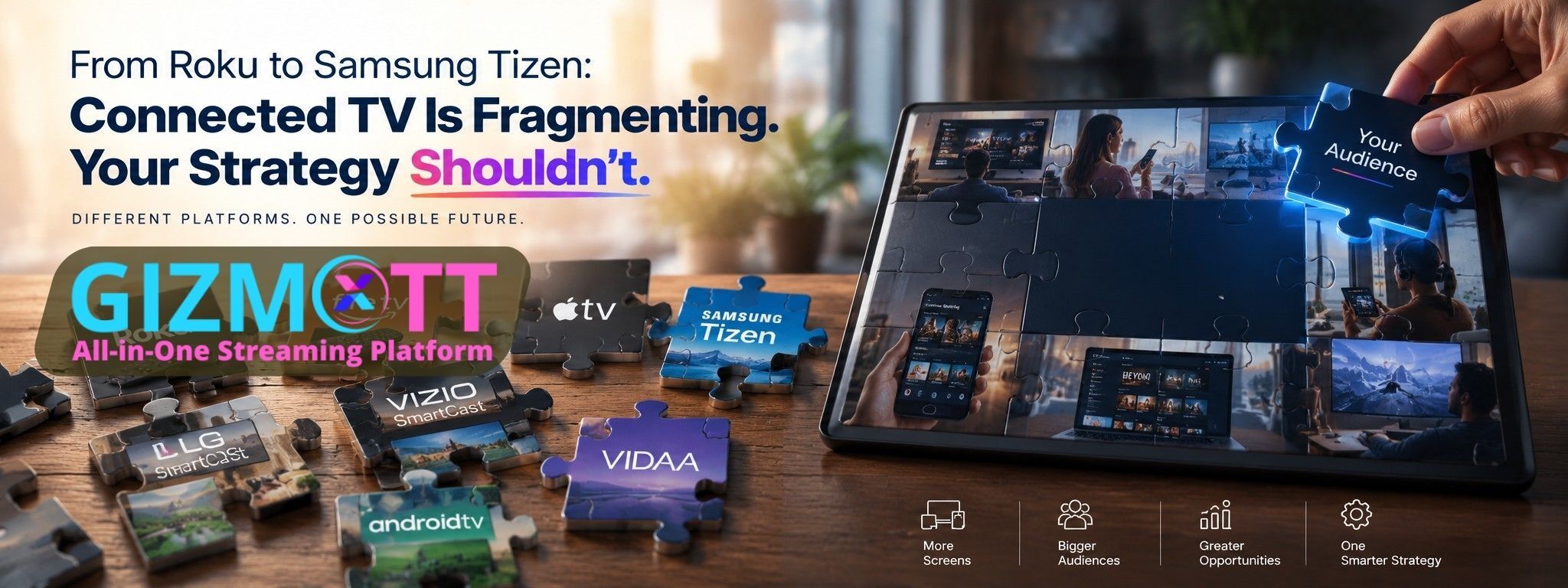
Microdrama is one part of a broader shift. Streaming businesses are also rethinking how audiences access content and how that content generates revenue. FAST channels—free ad-supported streaming television—offer a linear viewing experience without requiring viewers to pay a traditional subscription fee. For content owners, FAST can create another route to distribute existing libraries, organize programming around themes, and generate advertising revenue. Connected TV adds another dimension. Viewers may discover content on a phone, continue watching on a television, and return to a service through a different device. Reaching these audiences increasingly means thinking beyond a single app or screen. At the same time, businesses are experimenting with different combinations of subscription video on demand (SVOD), advertising video on demand (AVOD), transactional video on demand (TVOD), pay-per-view, and other revenue approaches. The opportunity is not simply to offer every monetization model available. It is to choose the combination that fits the content, audience, and commercial objectives. A niche content owner with a loyal community may prioritize subscriptions. A large archive could offer opportunities for advertising-supported distribution. A creator-led business might combine free content with premium access. A microdrama service could explore episode unlocks or other transaction-based models where they suit viewer expectations. Each approach comes with trade-offs. Advertising depends on audience scale, viewing behavior, and the ability to deliver value to advertisers. Subscriptions require an ongoing reason for viewers to pay. Transactional models depend on the perceived value of individual purchases and a frictionless payment experience. This is where the idea of audience ownership becomes especially important. Building a following on a third-party platform can be valuable, but a following is not the same as owning the customer relationship. Businesses that develop their own branded streaming services can create more direct ways to understand their audiences, communicate with viewers, manage access, and test different revenue strategies—subject to the data, privacy, and platform rules that apply. The objective is not necessarily to abandon third-party distribution. It is to make deliberate decisions about where content lives, how audiences discover it, and which relationships the business needs to develop directly. A strong streaming strategy considers distribution and monetization together. It does not treat them as decisions to make after the content has already been produced.AI Will Matter Most When It Solves Real Streaming Problems
Artificial intelligence was another important part of the wider media technology conversation. At one level, AI can help businesses work with content more efficiently. Metadata generation, subtitle creation, content tagging, search, recommendations, and promotional asset creation are all areas where AI-assisted workflows can reduce repetitive work and improve how content is prepared and discovered. At another level, AI can help streaming businesses make better use of the information they already collect. Audience analytics can reveal patterns in viewing behavior, while recommendation systems can help viewers find relevant content within increasingly large libraries. However, the value of AI should not be measured by the number of features a platform can demonstrate. It should be measured by whether those features solve a meaningful business problem. Can a content team organize a growing library more efficiently? Can viewers discover relevant titles more easily? Can a business understand where engagement is weakening? Can marketing teams produce and test promotional material more effectively? Can operational teams manage more content without increasing complexity at the same rate? These are practical questions with commercial consequences. AI also introduces considerations around accuracy, content rights, privacy, governance, and human oversight. Automated metadata can be incorrect. Recommendations can narrow discovery if poorly designed. Generated material may require editorial review. Businesses need to understand where automation helps and where human judgment remains essential. For streaming companies, AI is most useful when it becomes part of a well-designed workflow rather than an isolated feature. That requires an underlying technology foundation capable of connecting content management, distribution, discovery, analytics, and monetization. Without that foundation, businesses risk accumulating tools that do not work together effectively. The opportunity is not simply to make streaming more intelligent. It is to make the entire operation more responsive, efficient, and adaptable.The Technology Behind the Experience Is a Business Decision
Viewers experience streaming through an interface, a video player, and the content they choose to watch. They rarely think about the systems that make the experience possible. Businesses cannot afford to take the same view. Launching an OTT platform involves more than putting videos online. It requires content ingestion and management, metadata, playback and delivery, user authentication, applications across relevant devices, analytics, customer support, and monetization workflows. As a service grows, the challenge becomes more complex. Content libraries expand. More devices need to be supported. Audience expectations change. New revenue models may require different capabilities. Operational teams need visibility into performance and engagement. Building every component independently can offer flexibility, but it also demands time, specialist expertise, ongoing maintenance, and investment. For many media businesses, the question is whether developing technology from scratch is the best use of their resources. An all-in-one OTT platform offers another approach: bringing core capabilities together so businesses can focus more of their attention on their content, audience, and commercial strategy. That does not mean every company needs the same technology stack. Requirements differ considerably between a broadcaster, an independent creator, a production company, and a business launching a dedicated microdrama app. Platform selection should begin with the business model and the operational requirements, not a generic feature checklist. The right questions include:- Time to market: How quickly can the business launch and validate its proposition?
- Distribution: Which mobile, web, and connected TV platforms are essential to reach the intended audience?
- Monetization: Can the technology support the revenue models the business actually needs?
- Scalability: Can the service grow without forcing a complete operational rebuild?
- Insight: Can the business understand engagement, performance, and revenue well enough to make informed decisions?
- Flexibility: Can the platform adapt as content formats and audience expectations evolve?