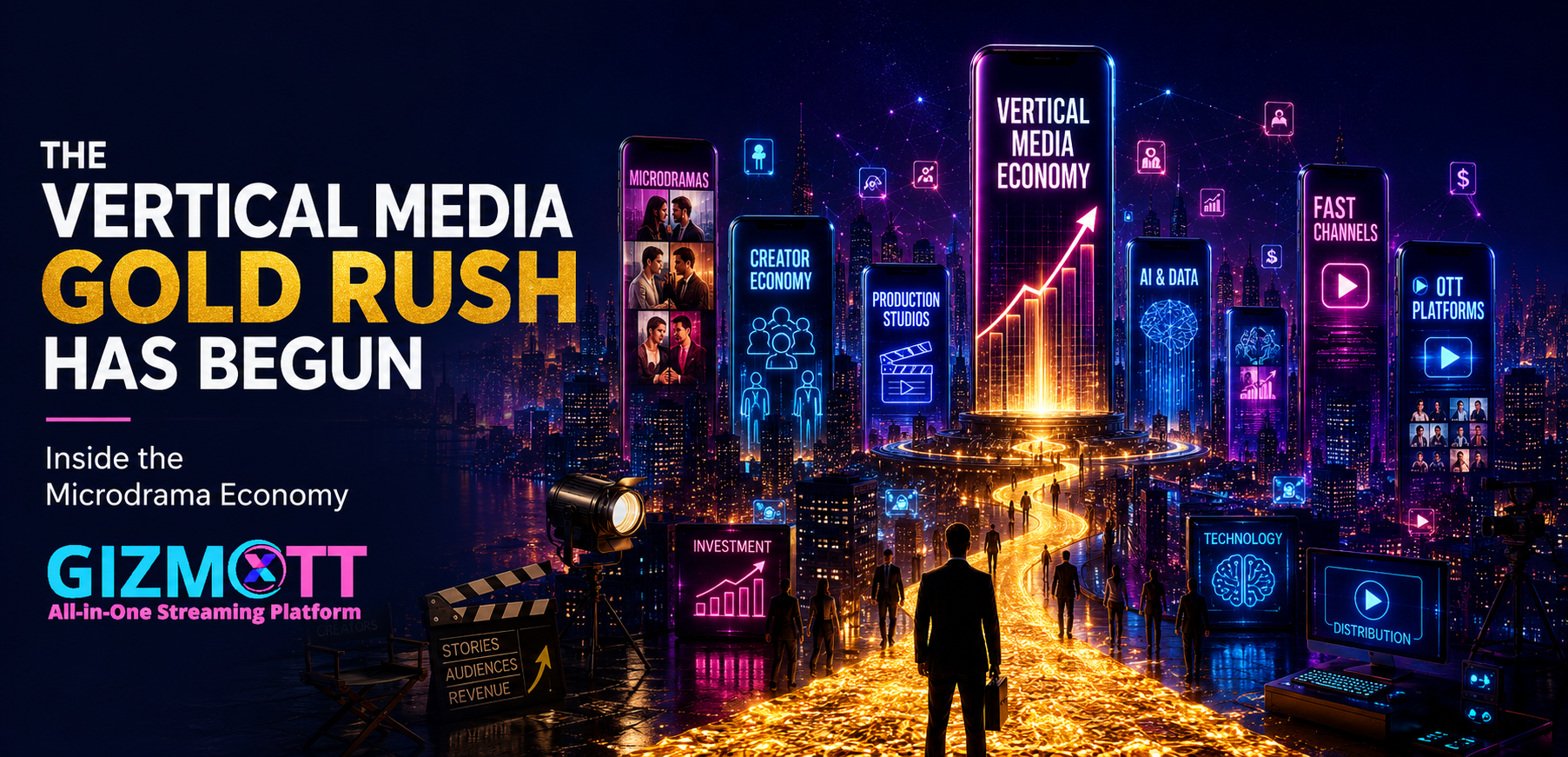

- Dedicated vertical media conferences are attracting global audiences.
- Investors are funding specialized platforms and studios.
- Production companies are creating content exclusively for vertical viewing.
- Technology providers are building infrastructure designed specifically for mobile-first storytelling.
- Media companies are exploring new monetization opportunities beyond traditional streaming models.
When an Industry Creates Its Own Ecosystem
One of the strongest indicators that a market has reached a meaningful stage of maturity is the emergence of a dedicated ecosystem around it. Historically, this pattern has repeated itself across every major media transformation. Cable television created its own conferences and trade organizations. Streaming developed specialized vendors, technology providers, and marketplaces. The creator economy eventually evolved into a structured business category supported by events, agencies, and investment communities. Vertical media is now following the same path. Recent industry events demonstrate how quickly the category is professionalizing.Vertical Media Summit
The Vertical Media Summit has emerged as one of the industry’s most significant gatherings, bringing together producers, creators, technology providers, investors, distributors, and media executives to discuss the future of vertical storytelling. The discussions have moved beyond simple content creation. Topics now include:- New monetization models
- Audience ownership
- AI-powered content discovery
- Vertical-specific production workflows
- Distribution opportunities
- Investment trends
Vertical Microdrama Market
The Vertical Microdrama Market in Las Vegas is another powerful signal. Unlike traditional conferences, the event functions as a marketplace where creators, studios, distributors, technology companies, and investors actively explore partnerships and commercial opportunities. Markets do not create dedicated business ecosystems around temporary trends. They create them around opportunities expected to generate long-term growth.MIP London’s Vertical Content Summit
Even traditional television and content marketplaces are beginning to embrace the category. MIP London introduced a dedicated summit focused on microdramas and vertical storytelling, bringing the format directly into conversations traditionally reserved for broadcasters, distributors, and streaming executives. The message is clear. Vertical media is no longer operating on the fringes of entertainment – It is entering the mainstream.The Shift Is Not About Format – It Is About Behavior.
Many discussions around microdramas focus on aspect ratios, episode lengths, or production techniques. That misses the bigger story. The rise of vertical media is fundamentally a consumer behavior story. Entertainment consumption has changed dramatically over the last decade. Audiences increasingly consume content:- During commutes
- Between meetings
- While waiting in line
- During short breaks throughout the day
- On mobile devices rather than televisions
Why Investors Are Paying Attention
Every major media category reaches a point where investment capital begins flowing into the ecosystem. Vertical media appears to have reached that stage. Investors are increasingly funding:- Microdrama production studios
- Vertical-first content platforms
- Mobile entertainment startups
- Creator-driven storytelling businesses
- Supporting technology infrastructure
- Lower production costs
- Faster release cycles
- Quicker audience feedback
- Greater experimentation opportunities
- Mobile-native engagement models
Hollywood Is Starting to Pay Attention
Many industry observers initially viewed vertical storytelling as a phenomenon limited to social media creators and independent producers. That perception is changing. Established filmmakers, producers, writers, and entertainment executives are entering the space. Production quality is improving, storytelling is evolving, business models are maturing. The result is a stronger ecosystem capable of attracting additional investment, talent, and infrastructure. This pattern is familiar. Every major entertainment category follows a similar trajectory:- Early creators experiment.
- Audiences emerge.
- Investors take notice.
- Technology evolves.
- Established players enter.
- The market matures.
Why Technology Is Becoming the Competitive Advantage
Content may attract audiences. Technology determines whether platforms can retain and monetize them. This reality defined the streaming era. Netflix did not succeed solely because of content. It succeeded because it combined content with superior technology, personalization, analytics, recommendations, and user experience. The same dynamic is now emerging within vertical media. Microdrama businesses require infrastructure specifically designed for mobile-first entertainment. That includes:- Vertical video experiences
- Mobile-first interfaces
- Audience engagement systems
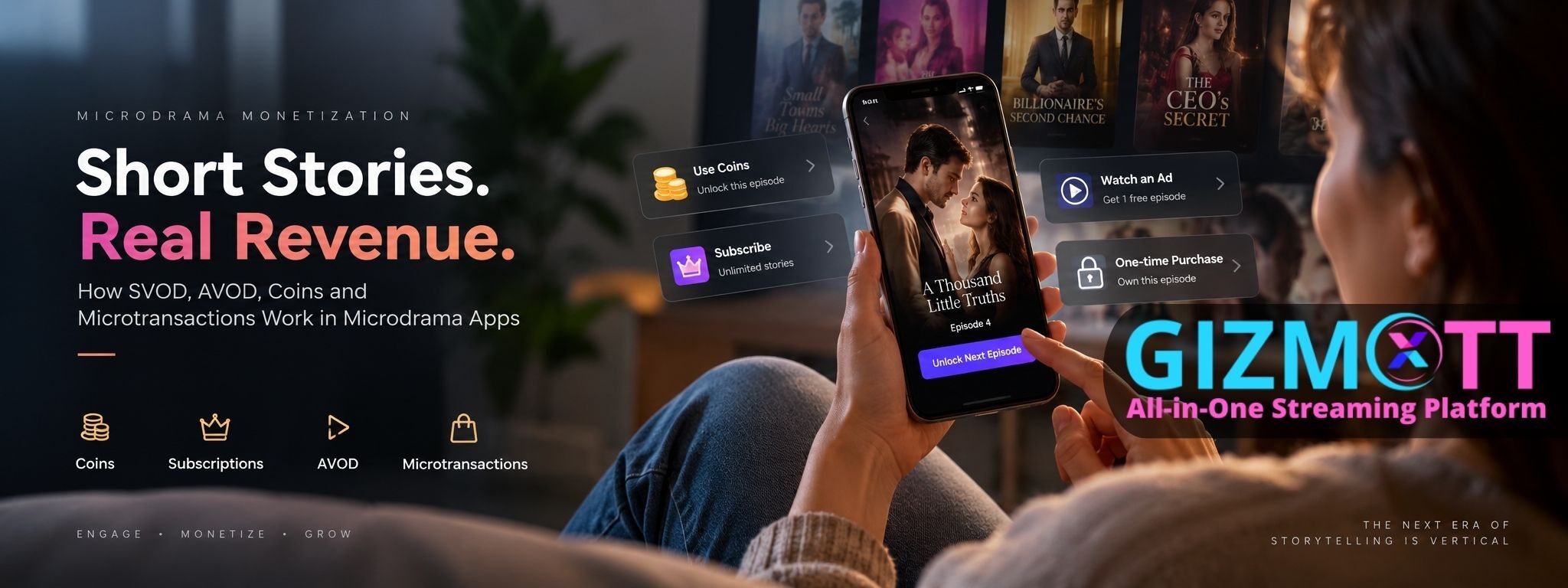
- Flexible monetization models
- Recommendation engines
- Advanced analytics
- Multi-device distribution
- AI-powered personalization
Building the Infrastructure Behind the Vertical Media Economy
Every media revolution creates its own technology stack. Broadcast television required transmission networks. Streaming required OTT platforms, CDNs, recommendation engines, analytics systems, and monetization technologies. Vertical media is now creating its own infrastructure requirements. While much of the industry’s attention remains focused on content creation, long-term success will depend on the ability to distribute, monetize, analyze, and scale content effectively. This is where technology becomes critical. At Gizmeon, we have seen growing interest from:- Media companies
- Production studios
- Content owners
- Broadcasters
- Independent creators
- Emerging microdrama businesses
- iOS
- Android
- Roku
- Fire TV
- Android TV
- Apple TV
- Smart TVs
- Web
- OTT and FAST capabilities
- Vertical video and microdrama support
- AI-powered recommendations
- Live streaming
- Audience analytics
- Multiple monetization models
- Content management tools
- Multi-device distribution
The Creator Economy Is Accelerating the Trend
The creator economy is adding another powerful layer to the vertical media opportunity. Creators increasingly recognize the limitations of relying entirely on third-party platforms. Algorithms change. Monetization policies evolve. Audience access remains controlled by someone else. As a result, many creators are beginning to think like media companies. They are exploring:- Subscription models
- Owned communities
- Branded streaming platforms
- Direct audience relationships
- Independent monetization strategies