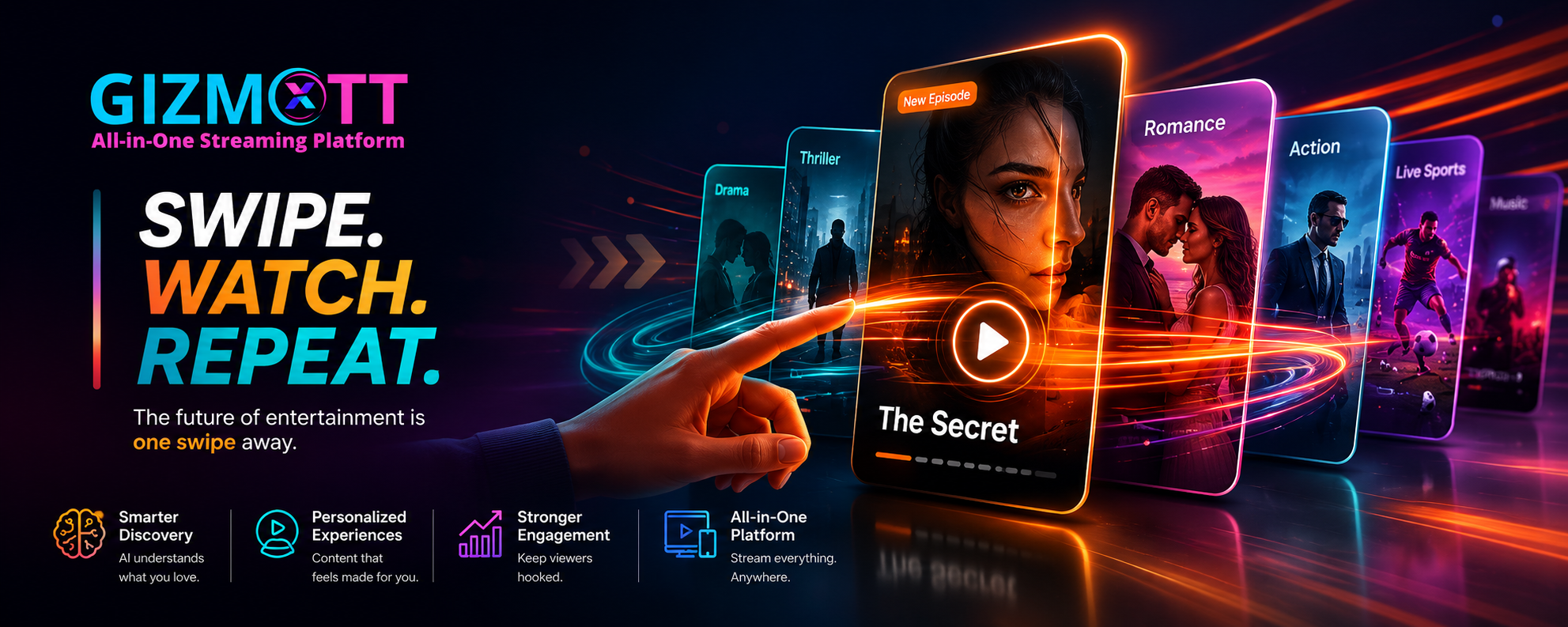

How vertical storytelling, mobile-first audiences, and AI-driven engagement are reshaping the future of streaming
A few years ago, short-form vertical video was largely associated with social media platforms and creator content. Today, entire streaming ecosystems are being built around the same viewing behavior. Platforms like ReelShort, DramaBox, ShortMax, and TikTok-backed PineDrama are rapidly turning microdrama content into one of the fastest-growing segments in digital entertainment. What initially appeared to be a niche mobile trend is now beginning to influence broader OTT strategies across the streaming industry. The rise of microdrama platforms signals something much larger than a new content format. It reflects a fundamental shift in how audiences consume entertainment in the mobile-first era. For decades, streaming platforms were designed around long-form viewing experiences. The model was simple: users opened an app, browsed a catalog, selected a movie or series, and committed to extended viewing sessions. But audience behavior has evolved significantly. Entertainment consumption is increasingly driven by immediacy, accessibility, and algorithmic engagement rather than deliberate viewing habits alone. Microdrama platforms are succeeding because they are being built around how modern audiences already behave.The Rise of Mobile-First Entertainment
One of the biggest forces shaping the growth of microdramas is the dominance of mobile viewing. For younger audiences in particular, smartphones have become the primary entertainment screen. This has altered not just where people watch content, but how they engage with it altogether. Traditional OTT viewing often requires dedicated time and active decision-making. In contrast, mobile-native entertainment fits seamlessly into fragmented daily behavior. Audiences now consume content while commuting, between meetings, during short breaks, or while casually scrolling throughout the day. This has created demand for entertainment experiences that are:- faster to consume,
- easier to discover,
- and optimized for mobile engagement.
Streaming Platforms Are Starting to Learn From TikTok
The influence of TikTok on modern entertainment extends far beyond short-form creator content. In many ways, TikTok fundamentally changed audience expectations around content discovery itself. Instead of manually searching for entertainment, users became accustomed to algorithm-driven recommendation systems capable of continuously surfacing content based on behavioral signals. This shift is now influencing streaming platforms across the industry. Netflix has experimented with vertical discovery interfaces inspired by short-form content feeds. Prime Video introduced “Clips” to encourage faster content exploration. Several platforms are investing heavily in AI-driven recommendation systems and swipe-style navigation experiences designed to reduce friction between viewers and content. TikTok’s expansion into serialized entertainment through PineDrama reflects how rapidly these ecosystems are converging. The distinction between social media and OTT is becoming increasingly blurred. Modern audiences expect streaming experiences to feel:- personalized,
- responsive,
- immediate,
- and endlessly discoverable.
Why Microdramas Feel Addictive to Modern Audiences
The growth of microdrama apps is not happening accidentally. Much of their success comes from how effectively they align with modern retention behavior. Traditional streaming platforms are built around long-form immersion. Microdrama ecosystems, however, are optimized around rapid emotional engagement and continuous progression. Episodes often end on dramatic reveals or unresolved tension, encouraging viewers to continue instantly to the next segment. This creates highly compressed engagement loops that feel more interactive and psychologically rewarding within shorter viewing sessions. At the same time, recommendation systems continuously personalize discovery based on viewing behavior. Audiences are not simply watching content; they are entering highly adaptive entertainment environments designed around retention and engagement patterns. This reflects a broader transformation happening across the entertainment industry. Streaming platforms are increasingly becoming behavioral ecosystems rather than static content libraries. The success of TikTok demonstrated that recommendation engines can become as important as the content itself. Microdrama platforms are now applying that same principle to serialized storytelling.The Monetization Model Is Also Evolving
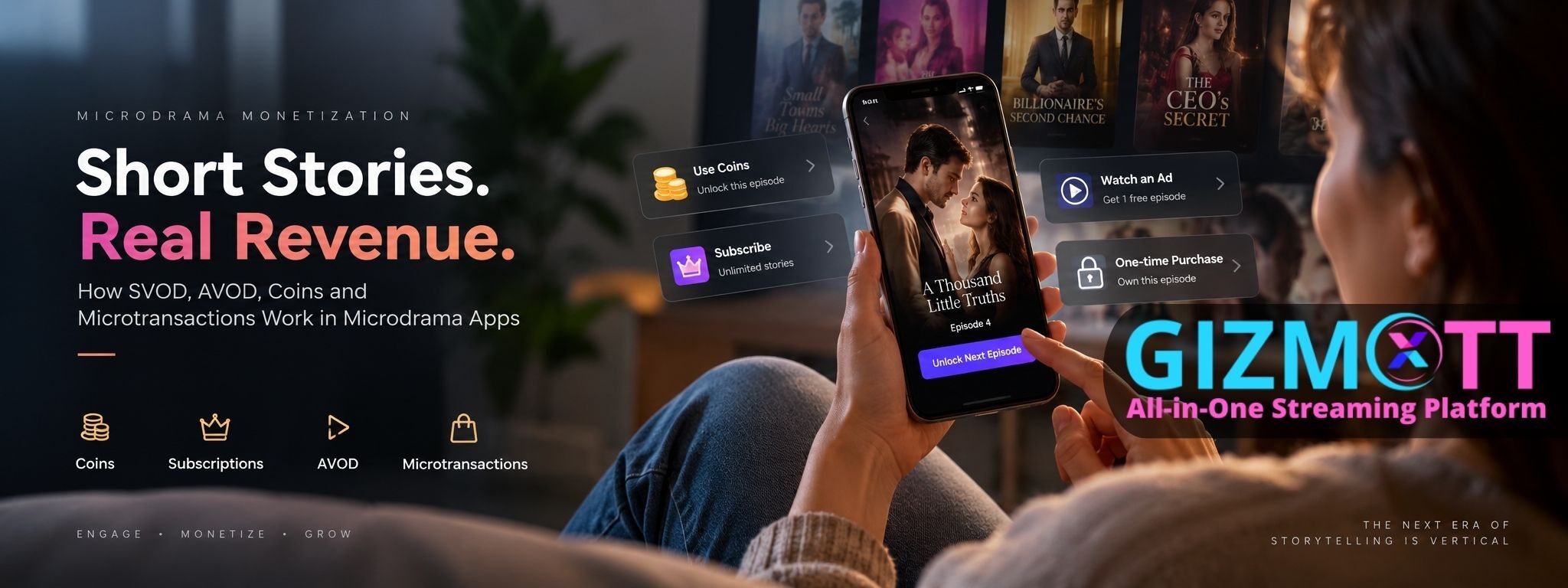
Another reason microdrama ecosystems are growing so rapidly is because they support highly flexible monetization structures. Unlike traditional OTT platforms that rely primarily on monthly subscriptions, microdrama apps often combine multiple monetization models within a single platform experience. These may include:- ad-supported viewing,
- episode unlock systems,
- subscription tiers,
- microtransactions,
- and hybrid engagement models.
Recommendation Engines Are Becoming the Real Growth Driver
One of the most overlooked aspects of microdrama growth is the role recommendation systems play in audience retention. Discovery has become one of the biggest challenges across the streaming industry. Traditional OTT platforms often rely heavily on manual browsing behavior, which can create friction and decision fatigue for viewers. Microdrama ecosystems operate differently. AI-powered discovery continuously surfaces content based on:- viewing habits,
- completion rates,
- interaction patterns,
- pacing preferences,
- and engagement signals.
Vertical Storytelling Is Becoming a Legitimate OTT Format
For years, vertical video was often viewed as temporary or informal — a format associated primarily with social media creators and casual content. That perception is changing rapidly. Microdrama platforms are proving that vertically formatted storytelling can support:- premium entertainment experiences,
- recurring audience engagement,
- scalable monetization systems,
- and highly active viewing communities.
- long-form streaming,
- creator ecosystems,
- live engagement,
- interactive experiences,
- and vertical serialized storytelling.
The Infrastructure Behind OTT Is Quietly Changing
As audience behavior evolves, OTT infrastructure is evolving alongside it. Modern streaming ecosystems increasingly need to support:- vertical video experiences,
- AI-powered recommendations,
- episodic sequencing,
- hybrid monetization systems,
- advanced analytics,
- and multi-device streaming environments.
Microdramas May Represent a Much Bigger Industry Shift
What makes the rise of microdrama platforms particularly important is that they may represent an early indicator of where streaming itself is heading. Audiences are increasingly prioritizing:- immediacy,
- accessibility,
- personalization,
- and mobile-native engagement